
Apple AirTag (1st Generation) Review: Still a Smart, Simple Tracker for Everyday Items
Introduction
Apple’s AirTag (1st Generation) is a small, disc-shaped Bluetooth tracker built to help you keep tabs on frequently misplaced items—keys, wallets, backpacks, luggage, and more—using the Find My app on iPhone and iPad. Paired with Apple’s vast device network, it promises an easy way to locate lost items at home or out in the world. Available as a single unit like the one sold on Amazon (product code B0CWXNS552) for around $24.00, it targets users already invested in the Apple ecosystem who want a low-effort tracking solution.
Product Overview and Key Features
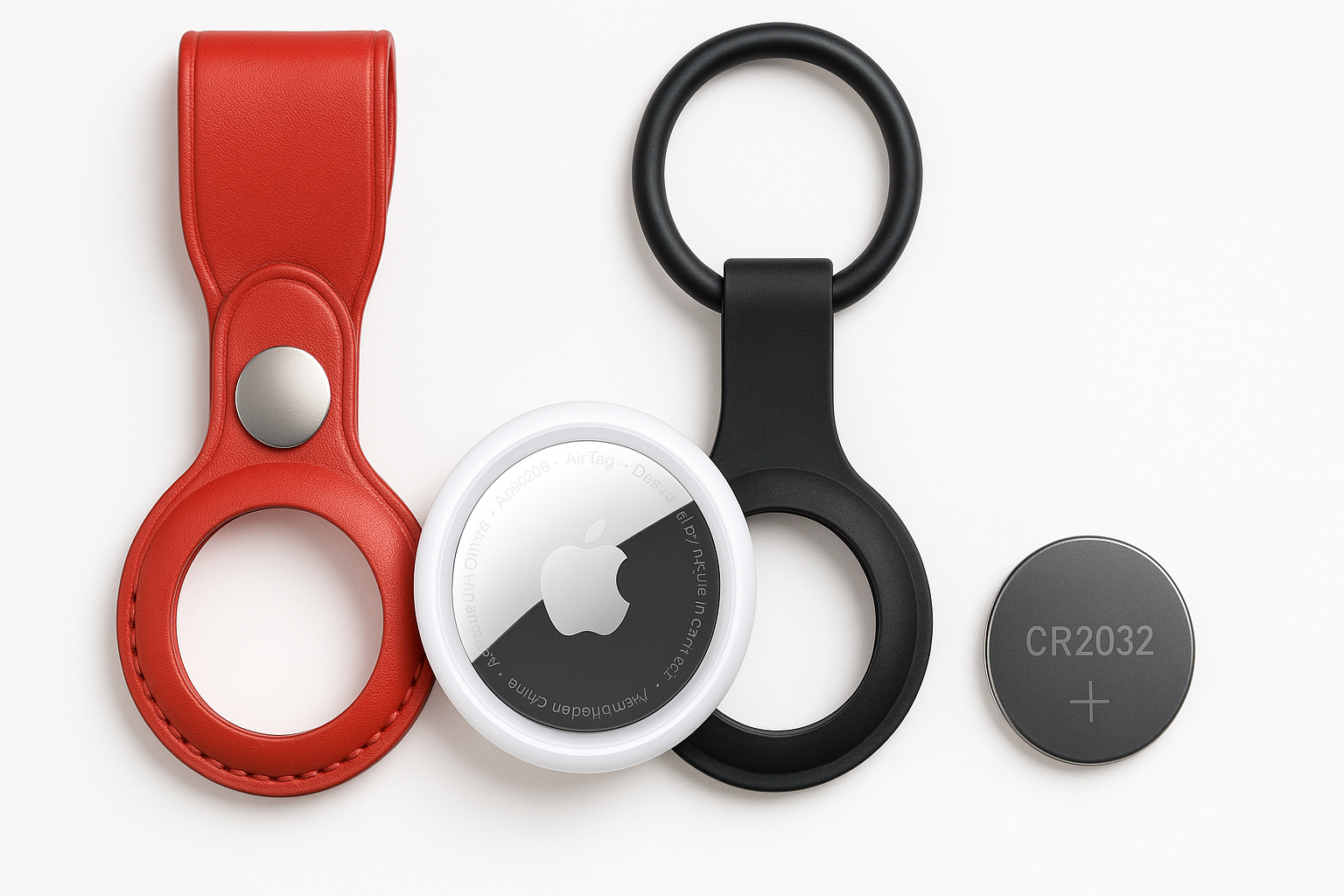
The AirTag (1st Generation) is roughly the size of a large coin, with a glossy white front and polished metal back. It’s light enough to attach to a keyring, slip into a wallet pocket, or tuck into luggage without adding noticeable bulk.
Core features
-
Find My integration
AirTag ties directly into Apple’s Find My app, the same place you locate your iPhone, iPad, or Mac. From there you can see your AirTag’s last known location on a map, put it into Lost Mode, and receive notifications if it’s found. -
Bluetooth and Ultra Wideband (UWB) support
Using Bluetooth Low Energy, AirTag broadcasts a secure signal detected by nearby Apple devices participating in the Find My network. On supported iPhones with U1 chips, Precision Finding uses UWB to provide directional cues (arrows, distance, and haptic feedback) when you’re close. -
Large, crowdsourced device network
Instead of relying on GPS, AirTag leverages the massive installed base of Apple devices. When another compatible Apple device passes near your lost AirTag, it can update the tag’s location anonymously, giving you an approximate position even if you’re nowhere near it. -
Simple one‑tap setup
Bringing the AirTag near an unlocked iPhone or iPad triggers an on-screen setup prompt, similar to pairing AirPods. You can assign it to a specific item (for example, “Keys” or “Backpack”) and link it to your Apple ID. -
Replaceable battery
The AirTag (1st Gen) uses a standard CR2032 coin cell battery that typically lasts about a year under normal use. When it runs low, you twist off the back cover and swap in a new battery—no tools required. -
Sound and alerts
A built-in speaker plays a tone to help you locate the tracker when you’re nearby but can’t see it—useful for things like couch‑buried remote controls or bags in a cluttered room. -
Durability and water resistance
The device is rated IP67 for dust and water resistance, meaning it can withstand short accidental submersion and is well suited to daily abuse in bags or on keychains. -
Privacy and anti‑stalking protections
Apple includes safeguards like periodic alerts if an unknown AirTag appears to be traveling with you, and controls for disabling a tag. These protections are not perfect, but they are more mature than many competing Bluetooth trackers.
Performance and User Experience
Setup and daily use
Setting up the AirTag with an iPhone or iPad is fast and intuitive. You simply bring the AirTag close to your device, tap to connect when prompted, give it a name, and it’s ready to use. This frictionless onboarding is a key advantage over many third‑party trackers that require separate accounts and apps.
In everyday scenarios—like finding keys around the house or confirming that your backpack is still at the office—the AirTag performs reliably. The Find My app shows your tag’s approximate location on a map; once you’re nearby, you can trigger a sound or, on compatible iPhones, use Precision Finding for more accurate guidance.
Range and reliability
Because AirTag doesn’t contain GPS and relies on the presence of other Apple devices, its effectiveness depends heavily on your environment:
- Urban and suburban areas: Performance is generally excellent, because there are many iPhones around to update your tag’s location. Losing something in a busy city, office building, or airport gives the AirTag a strong chance of reporting frequent location updates.
- Rural or low‑traffic areas: Updates can be more sporadic. If there are few Apple devices nearby, the location shown in Find My may lag behind reality.
For close-range finding—like locating keys in your home—Bluetooth and sound cues are typically sufficient. Precision Finding (where available) adds a more polished, guided experience with on‑screen arrows and distance estimates.
Battery life and maintenance
Most users can expect around a year of battery life before needing to replace the CR2032 cell, depending on how often sounds are played and how frequently the tag is located. Swapping the battery is straightforward and does not require special tools, which helps keep long‑term ownership costs low.
The metal side of the AirTag is prone to cosmetic scratching over time, especially on keychains or in pockets with coins. This doesn’t affect functionality but is worth noting if you care about how your tech looks.
Ecosystem fit and compatibility
The AirTag is purpose‑built for Apple users. It integrates seamlessly with:
- iPhone and iPad devices using the Find My app.
- Apple Watch for at-a-glance location checks.
However, functionality is limited if you don’t use Apple devices. While Apple offers the Tracker Detect app on Android to scan for nearby AirTags, it’s meant more for privacy protection than for managing your own trackers. For fully featured use—naming tags, assigning them to items, enabling Lost Mode—you need an Apple device.
Pros and Cons
Pros
- Tight integration with Apple ecosystem: Works directly in the Find My app with no extra accounts or apps required.
- Strong location coverage in populated areas: Leverages Apple’s large device network for crowd‑sourced location updates.
- Simple, fast setup: One‑tap pairing and intuitive configuration.
- Precision Finding on supported iPhones: Ultra Wideband provides accurate, directional guidance when close to the tag.
- User‑replaceable battery: Uses a common CR2032 cell with about a year of life under typical conditions.
- Compact, lightweight design: Easy to slip into wallets, luggage, backpacks, or attach to keys with a holder.
- Water and dust resistance (IP67): Withstands everyday spills and rough handling.
- Mature privacy features: Anti‑stalking alerts and controls are more developed than many competitors.
Cons
- Best only for Apple users: Requires Apple hardware and the Find My ecosystem for full functionality.
- Dependent on nearby Apple devices: In rural or low‑density areas, location updates may be infrequent.
- No built‑in keyring hole: Most people will need a separate accessory to attach it to keys or bags.
- Cosmetic wear: The polished metal back scratches easily in normal use.
- Older generation hardware: As a 1st‑generation product, it lacks some refinements of newer trackers, though it still covers the essentials for many users.
Conclusion and Recommendation
The Apple AirTag (1st Generation) remains a highly capable Bluetooth tracker for people already embedded in the Apple ecosystem. Its seamless integration with the Find My app, easy setup, and reliance on Apple’s vast device network make it well suited for keeping track of frequently misplaced everyday items.
Compared to newer tracking hardware, the 1st‑generation AirTag focuses on core functionality rather than cutting‑edge extras, but that will be sufficient for many buyers—especially if you find the 1st‑gen unit at a compelling price around $24.00 on Amazon. It’s not the right choice if you rely primarily on Android devices or you need constant, GPS‑style tracking in remote areas. But if you carry an iPhone or iPad and simply want a reliable way to find your keys, wallet, luggage, or backpack, the Apple AirTag (1st Generation) remains an easy recommendation.